

The ideal fuel still doesn’t exist, but hydrogen is closing in
The ideal fuel still doesn’t exist, but hydrogen is closing in
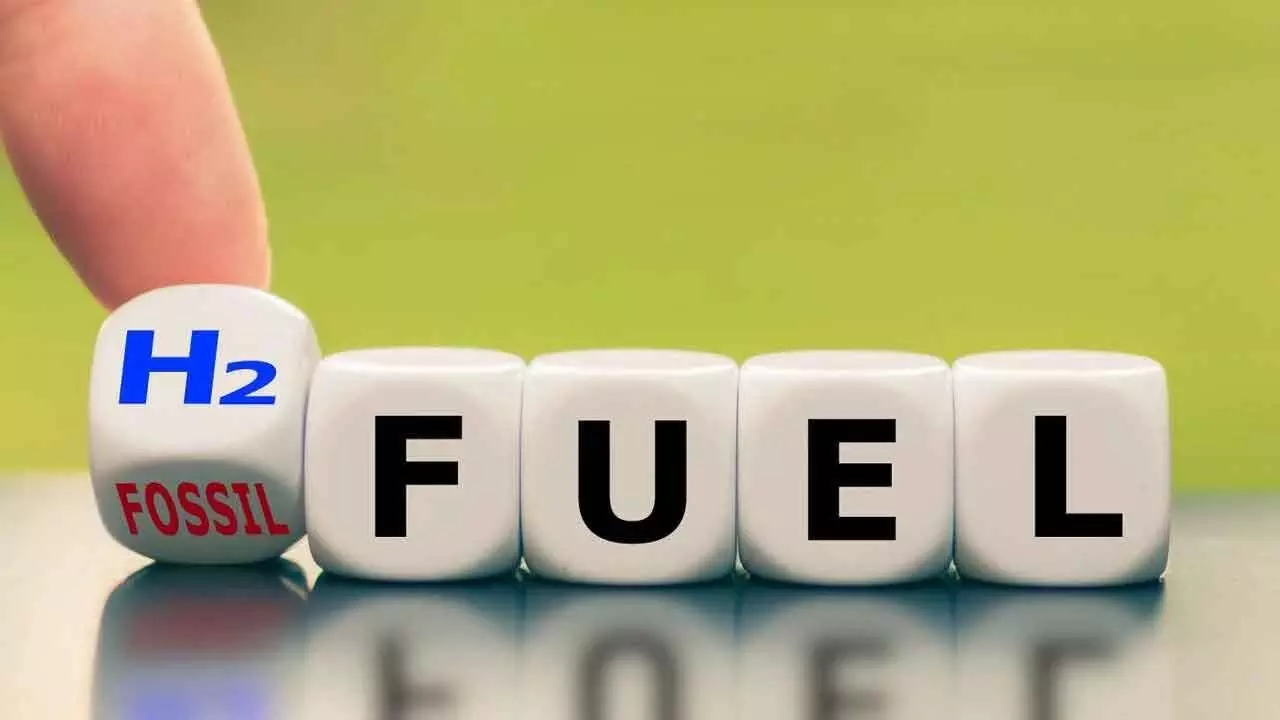
The ideal fuel debate revolves around identifying an energy source that is high-calorific, affordable, low-emission, and easily available. Natural gas and LPG are currently favoured as cleaner, efficient, and practical options. However, the transition from fossil fuels to alternatives such as biofuels and green energy continues to spark debate, particularly around issues like food versus fuel, land use, and scalability.
In aviation, Sustainable Aviation Fuel (SAF) and hydrogen are emerging as complementary solutions for decarbonisation. SAF is viewed as the primary near-to-medium-term option, offering a “drop-in” replacement compatible with existing aircraft engines and infrastructure.
Hydrogen, by contrast, is a long-term, zero-emission solution, likely to be limited to short-haul flights due to storage and infrastructure constraints, or used indirectly to produce synthetic fuels such as power-to-liquid (PtL) SAF.
As of 2026, the automotive market is steadily transitioning toward cleaner alternatives. Electric vehicles (EVs) offer the lowest operating costs, approximately `0.80 per kilometre in India, along with zero tailpipe emissions. Hydrogen fuel-cell electric vehicles (FCEVs) provide rapid refuelling within 3–5 minutes and long driving ranges. Despite these advances, petrol and diesel vehicles continue to dominate due to their deeply entrenched infrastructure.
Compressed natural gas (CNG) and LPG are widely regarded as bridge fuels. They are generally cheaper than petrol and diesel but still emit greenhouse gases, limiting their long-term role in decarbonisation.
Hydrogen vehicles generate electricity on board by using hydrogen gas in a fuel-cell stack, emitting only water vapour as a by-product. This allows for fast refuelling, comparable to conventional fuels, and long driving ranges, making them particularly suitable for long-distance and heavy-duty applications. However, the lack of refuelling infrastructure remains a major hurdle.
Hydrogen is the most abundant element in the universe and is present in water and organic matter. It is this abundance that technology developers are now trying to harness at scale.
The process of producing hydrogen can be straightforward: electricity is used to split pure water into hydrogen and oxygen through electrolysis. The hydrogen is then compressed or liquefied and stored for use in vehicles. When produced using renewable electricity, the process avoids fossil fuels entirely, meaning the only emission from the vehicle’s exhaust is water.
However, much of today’s industrial hydrogen is produced using natural gas, resulting in what is known as “blue hydrogen”. While this still lowers emissions compared to conventional fuels, it is not fully carbon-free. A full tank of hydrogen can deliver a driving range of around 400 miles, though access to refuelling stations remains limited.
Hydrogen fuel-cell vehicles convert chemical energy into electricity far more efficiently than internal combustion engines. Fuel cells typically achieve around 60% energy conversion efficiency, compared with 20–30% for petrol engines. While EVs lead with efficiencies of up to 90%, they are constrained by battery capacity, charging time, and grid availability. Hydrogen vehicles also perform reliably across extreme weather conditions, from freezing winters to intense heat, adding to their appeal.
For the hydrogen sector, 2026 marks a shift away from distant promises toward real-world execution. The focus is no longer only on long-term climate goals, but also on immediate priorities such as energy security, industrial competitiveness, and system resilience. This signals a maturation of the industry, from a niche climate solution to a central arena of global economic and strategic competition.





